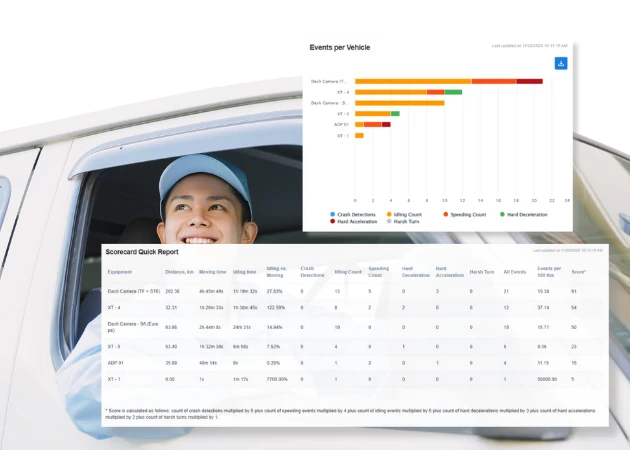
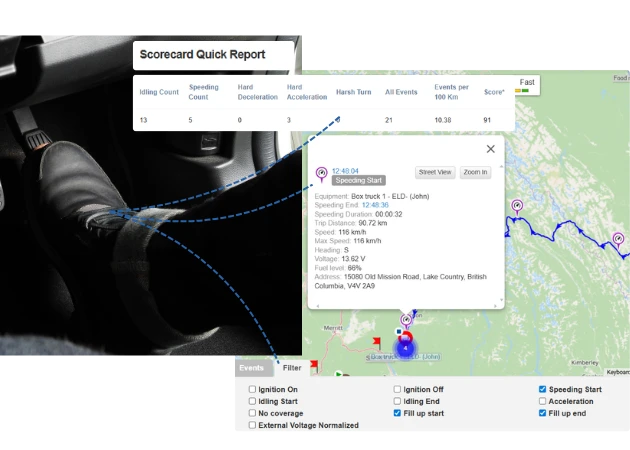



Most drivers respond positively when you frame it as coaching, not surveillance. Explain that scorecards help them see where they’re doing well and where they can improve. Many drivers appreciate the transparency, especially when they see good scores protect them from unfair criticism. Top performers often love the recognition. Introduce the program with training that emphasizes safety and support, not punishment.
No. PosiTrace’s approach is coaching-focused, not punitive. The goal is to help drivers improve through data and constructive feedback. Driver scorecards show progress over time, not just mistakes. Many fleets use scores to reward top performers with bonuses or recognition. Video evidence also protects good drivers from false accusations in accidents. This is about creating a culture of safety and improvement.
Most fleets see measurable improvement within 30-60 days. Once drivers see their scorecards and understand how behaviors affect their scores, many self-correct immediately. Harsh braking typically drops 30-50% in the first 90 days. Speeding incidents often decrease 20-30% as drivers become more aware. The key is consistent coaching and positive reinforcement when scores improve.
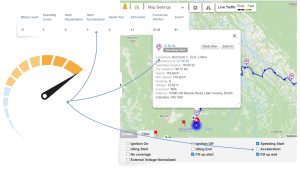
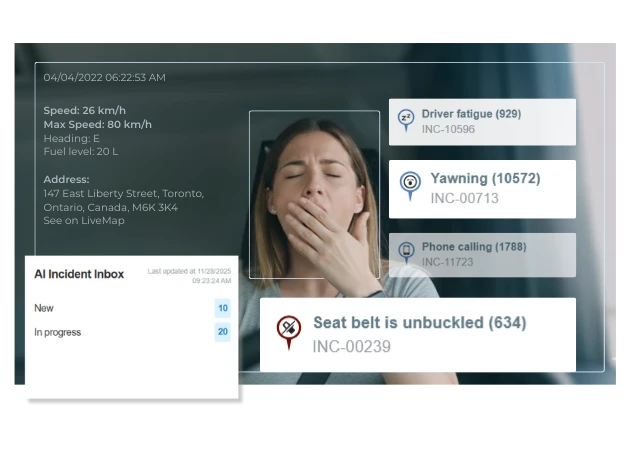
You receive a real-time alert with the time, location, and severity of the event. You can review the event immediately or wait to discuss multiple events during a scheduled coaching session. If you have dashcams, you can watch video of what happened to understand context. Not all harsh braking is bad; sometimes it’s unavoidable. Video helps you coach on legitimate issues and dismiss unavoidable situations.
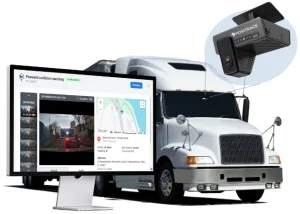
Use video as a teaching tool, not a gotcha moment. Sit with the driver, review the footage together, and ask them what they see. Often they’ll identify the issue themselves. Video removes ambiguity; there’s no debate about what happened. It also protects drivers by showing when harsh events were caused by other vehicles or unavoidable road conditions. Framing it as \”let’s learn from this together\” works better than accusatory language.
Absolutely. Many fleets create incentive programs based on driver scores. Offer monthly bonuses for top performers, recognize safe drivers publicly, or use scores to qualify drivers for premium routes. Positive reinforcement motivates improvement better than punishment. Scorecards provide objective data to base rewards on, making programs fair and transparent.
Constructive coaching and transparent feedback make drivers feel valued, not micromanaged. When drivers see their progress and receive recognition for good performance, they’re more likely to stay. Video evidence also protects drivers from false accusations, which builds trust. Fleets with strong coaching programs report 15-25% improvement in retention because drivers appreciate the support and fairness.