



• Solutions
    • High Fuel Costs
    • Fleet Maintenance Management Software
    • Fleet Operations Management Software
    • Successful temperature-sensitive deliveries
    • ELD & DVIR
    • High Insurance Costs
    • Variety of automated reports
    • Fleet Driver Behaviour Monitoring Software
    • Accident reduction with on-demand & real-time AI video
    • Tire pressure safeguarding
    • Fleet Vehicle Theft Recovery GPS Tracker
  • Forge AI
  • Industries
    • Construction Fleet Management Software
    • Transportation Fleet Management Software
    • Waste management
    • HVAC & Plumbing Fleet Tracking Software
    • Agriculture & Food Fleet Management Software
    • Logistics Fleet Tracking and Management Software
    • Mining Fleet & Asset Tracking & Management Software
    • Equipment Rental Fleet Tracking Software
  • Products
    • Dashcams
    • Trackers
    • Sensors
    • Accessories
    • BLE Asset Tracking
  • Prices
  • Resources
    • ROI Calculator
    • Blog
    • Privacy Policy
    • Terms of Service
  • Company
    • About Us
    • Contact Us
    • Partners
    • Career
    • Job Openings
    • PR Releases​
Logo_Positrace_horizontal
Isotype_Positrace
  • Solutions
    Reduce Operating Costs
    High Fuel Costs
    Unexpected Maintenance Costs
    Optimized operations
    Temperature sensitive deliveries
    Improve Safety & Compliance
    Safety & Compliance
    High Insurance Costs
    Variety of automated reports
    Protect Your Assets
    Driver Performance Issues
    Accident reduction with on-demand & real-time AI video
    Tire pressure safeguarding
    Theft & Recovery
    • High Fuel Costs
    • Fleet Maintenance Management Software
    • Fleet Operations Management Software
    • Successful temperature-sensitive deliveries
    • ELD & DVIR
    • High Insurance Costs
    • Variety of automated reports
    • Fleet Driver Behaviour Monitoring Software
    • Accident reduction with on-demand & real-time AI video
    • Tire pressure safeguarding
    • Fleet Vehicle Theft Recovery GPS Tracker
  • Forge AI
  • Industries
    Industries
    Construction
    Transportation & Cargo
    Waste management
    HVAC, plumbing and home services
    -
    Food & Agriculture
    Mining
    Logistics
    Rentals & Leasing
    • Construction Fleet Management Software
    • Transportation Fleet Management Software
    • Waste management
    • HVAC & Plumbing Fleet Tracking Software
    • Agriculture & Food Fleet Management Software
    • Logistics Fleet Tracking and Management Software
    • Mining Fleet & Asset Tracking & Management Software
    • Equipment Rental Fleet Tracking Software
  • Products
    Products
    Dashcams
    Trackers
    Sensors
    Accessories
    BLE Asset Tracking
    • Dashcams
    • Trackers
    • Sensors
    • Accessories
    • BLE Asset Tracking
  • Prices
  • Resources
    Resources
    ROI Calculator
    Blog
    Privacy Policy
    Terms of Service
    Webinars
    • ROI Calculator
    • Blog
    • Privacy Policy
    • Terms of Service
  • Company
    Resources
    About Us
    Contact Us
    Partners
    Career
    Job Openings
    • About Us
    • Contact Us
    • Partners
    • Career
    • Job Openings
    • PR Releases​
Login
  • ENG
    • ESP
Logo_Positrace_horizontal-white
Isotype_Positrace-white
  • Solutions
    Reduce Operating Costs
    High Fuel Costs
    Unexpected Maintenance Costs
    Optimized operations
    Temperature sensitive deliveries
    Improve Safety & Compliance
    Safety & Compliance
    High Insurance Costs
    Variety of automated reports
    Protect Your Assets
    Driver Performance Issues
    Accident reduction with on-demand & real-time AI video
    Tire pressure safeguarding
    Theft & Recovery
    • High Fuel Costs
    • Fleet Maintenance Management Software
    • Fleet Operations Management Software
    • Successful temperature-sensitive deliveries
    • ELD & DVIR
    • High Insurance Costs
    • Variety of automated reports
    • Fleet Driver Behaviour Monitoring Software
    • Accident reduction with on-demand & real-time AI video
    • Tire pressure safeguarding
    • Fleet Vehicle Theft Recovery GPS Tracker
  • Forge AI
  • Industries
    Industries
    Construction
    Transportation & Cargo
    Waste management
    HVAC, plumbing and home services
    -
    Food & Agriculture
    Mining
    Logistics
    Rentals & Leasing
    • Construction Fleet Management Software
    • Transportation Fleet Management Software
    • Waste management
    • HVAC & Plumbing Fleet Tracking Software
    • Agriculture & Food Fleet Management Software
    • Logistics Fleet Tracking and Management Software
    • Mining Fleet & Asset Tracking & Management Software
    • Equipment Rental Fleet Tracking Software
  • Products
    Products
    Dashcams
    Trackers
    Sensors
    Accessories
    BLE Asset Tracking
    • Dashcams
    • Trackers
    • Sensors
    • Accessories
    • BLE Asset Tracking
  • Prices
  • Resources
    Resources
    ROI Calculator
    Blog
    Privacy Policy
    Terms of Service
    Webinars
    • ROI Calculator
    • Blog
    • Privacy Policy
    • Terms of Service
  • Company
    Resources
    About Us
    Contact Us
    Partners
    Career
    Job Openings
    • About Us
    • Contact Us
    • Partners
    • Career
    • Job Openings
    • PR Releases​
Login
  • ENG
    • ESP
Logo_Positrace_horizontal.svg
Isotype_Positrace.svg
  • Solutions
    Reduce Operating Costs
    High Fuel Costs
    Unexpected Maintenance Costs
    Optimized operations
    Temperature sensitive deliveries
    Improve Safety & Compliance
    Safety & Compliance
    High Insurance Costs
    Variety of automated reports
    Protect Your Assets
    Driver Performance Issues
    Accident reduction with on-demand & real-time AI video
    Tire pressure safeguarding
    Theft & Recovery
    • High Fuel Costs
    • Fleet Maintenance Management Software
    • Fleet Operations Management Software
    • Successful temperature-sensitive deliveries
    • ELD & DVIR
    • High Insurance Costs
    • Variety of automated reports
    • Fleet Driver Behaviour Monitoring Software
    • Accident reduction with on-demand & real-time AI video
    • Tire pressure safeguarding
    • Fleet Vehicle Theft Recovery GPS Tracker
  • Forge AI
  • Industries
    Industries
    Construction
    Transportation & Cargo
    Waste management
    HVAC, plumbing and home services
    -
    Food & Agriculture
    Mining
    Logistics
    Rentals & Leasing
    • Construction Fleet Management Software
    • Transportation Fleet Management Software
    • Waste management
    • HVAC & Plumbing Fleet Tracking Software
    • Agriculture & Food Fleet Management Software
    • Logistics Fleet Tracking and Management Software
    • Mining Fleet & Asset Tracking & Management Software
    • Equipment Rental Fleet Tracking Software
  • Products
    Products
    Dashcams
    Trackers
    Sensors
    Accessories
    BLE Asset Tracking
    • Dashcams
    • Trackers
    • Sensors
    • Accessories
    • BLE Asset Tracking
  • Prices
  • Resources
    Resources
    ROI Calculator
    Blog
    Privacy Policy
    Terms of Service
    Webinars
    • ROI Calculator
    • Blog
    • Privacy Policy
    • Terms of Service
  • Company
    Resources
    About Us
    Contact Us
    Partners
    Career
    Job Openings
    • About Us
    • Contact Us
    • Partners
    • Career
    • Job Openings
    • PR Releases​
Login
  • ENG
    • ESP
Business protection  ·  Safety and compliance  ·  Uncategorized

How to Choose the Right Tire Pressure Sensor for Your Vehicle

Nataliya Topal
June 13, 2023

Choosing your vehicle’s correct tire pressure sensor is crucial for optimal performance, safety, and fuel efficiency. With a wide range of options available, it’s essential to consider certain factors when selecting. Factors such as compatibility with your vehicle’s make and model, accuracy and reliability of pressure readings, ease of installation and use, durability, and compatibility with your existing tire management system are critical. By carefully assessing these factors, you can choose the ideal tire pressure sensor that meets your specific requirements and ensures the longevity and efficiency of your vehicle’s tires.

Importance of Tire Pressure Sensors

Maintaining the correct tire pressure is crucial for several reasons. Underinflated or overinflated tires can adversely affect vehicle handling, fuel efficiency, and lifespan. Moreover, improper tire pressure can compromise safety on the road, increasing the risk of accidents. A tire pressure sensor is vital in continuously monitoring tire pressure and alerting the driver of any deviations, ensuring optimal performance and safety.

Understanding Tire Pressure Sensor Systems

Understanding tire pressure sensor systems is essential for vehicle owners to ensure proper tire maintenance and safety. These systems use sensors installed in each tire to monitor tire pressure and provide real-time feedback to the driver. These systems help prevent tire damage, improve fuel efficiency, and enhance overall vehicle performance by alerting drivers of low or high tire pressure. This introduction provides an overview of tire pressure sensor systems, their importance, and how they contribute to safer and more efficient driving experiences.

Direct TPMS and indirect TPMS are the two main types of tire pressure monitoring systems:

Direct Tire Pressure Monitoring System (TPMS)

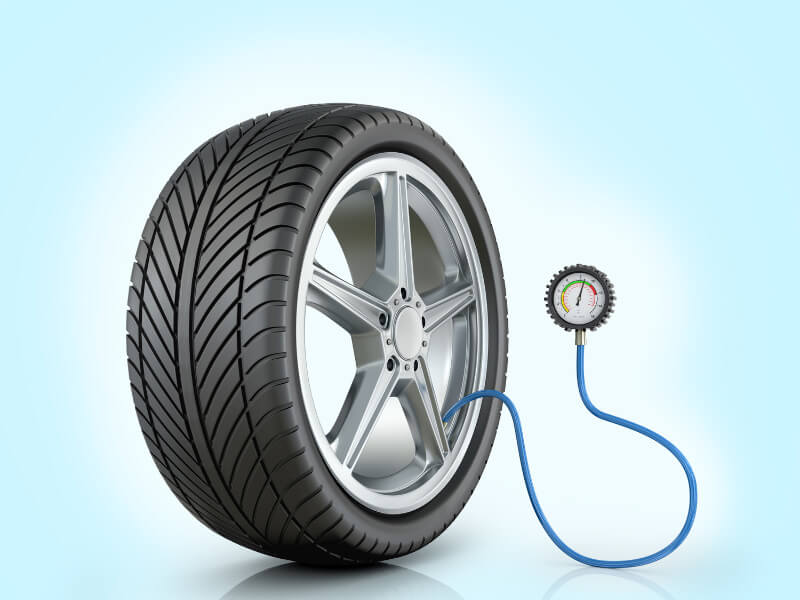
Direct TPMS utilizes individual sensors attached to each tire’s valve stem or integrated with the tire’s inner lining. These sensors directly measure the tire pressure and provide real-time data to the vehicle’s onboard computer system. In case of abnormal pressure changes, the system alerts the driver through a dashboard display or warning light.

Indirect Tire Pressure Monitoring System (TPMS)

Indirect TPMS, on the other hand, relies on the vehicle’s anti-lock braking system (ABS) to indirectly monitor tire pressure. This system uses wheel speed sensors to analyze tire rotations and detect deviations caused by changes in tire pressure. Although indirect TPMS is less accurate than direct TPMS, it is often more affordable and easier to install.

Factors to Consider When Choosing a Tire Pressure Sensor

Choosing the right tire pressure sensor is crucial for maintaining optimal tire performance and safety. When considering options, several factors should be taken into account. First, compatibility with your vehicle’s make and model is essential to ensure a proper fit. Accuracy and reliability of pressure readings, ease of installation, durability, and battery life are also crucial considerations. Additionally, consider whether the sensor is programmable or requires specific tools for setup. By evaluating these factors, you can select a tire pressure sensor that meets your specific needs and helps you maintain optimal tire pressure for a safer and smoother driving experience.

Compatibility with Vehicle Make and Model

Ensure the sensor is compatible with your vehicle’s make and model. Different vehicles may require other sensor technologies or have unique installation requirements.

Sensor Accuracy and Precision

Look for sensors that offer accurate and precise tire pressure readings. This ensures you receive reliable information to maintain optimal tire performance and safety.

Wireless Connectivity

Opt for sensors that offer wireless connectivity to your vehicle’s onboard computer system. This allows seamless integration and real-time monitoring, providing convenience and peace of mind.

Battery Life

Consider the sensor’s battery life, as it determines how frequently you need to replace or recharge the batteries. Longer battery life reduces maintenance efforts and costs.

Easy Installation and Setup

Choose sensors that are easy to install and set up. Some sensors require professional installation, while others offer DIY options. Consider your preference and skill level before making a decision.

Cost and Budget

Set a budget for your tire pressure sensor purchase. Compare prices, features, and warranties different brands offer to find the best value for your money.

Get the right tire pressure sensor for your vehicle

Different Types of Tire Pressure Sensors

Tire pressure sensors can be categorized into two main types: internal-mounted and external-mounted sensors.

Internal-Mounted Sensors

Internal-mounted sensors are installed inside the tire, typically attached to the valve stem or mounted on the wheel rim. They provide accurate and real-time tire pressure readings but may require professional installation.

External-Mounted Sensors

External-mounted sensors are attached to the valve stem outside the tire. They are relatively easier to install, but their location exposes them to potential damage from road debris or theft. These sensors may need to be more accurate compared to internal-mounted ones.

Pros and Cons of Internal-Mounted Sensors

Internal-mounted sensors offer several advantages and disadvantages:

Pros:
  • Accurate and precise tire pressure readings
  • Protection against theft and damage
  • Integration with onboard computer systems
  • Real-time monitoring and alerts
Cons:
  • Professional installation may be required
  • Higher initial cost
  • Battery replacement may involve tire removal
Pros and Cons of External-Mounted Sensors

External-mounted sensors also have their own set of advantages and disadvantages:

Pros:
  • Easier installation and setup
  • Lower initial cost
  • Battery replacement without tire removal
Cons:
  • Potential vulnerability to theft and damage
  • Less accurate readings compared to internal-mounted sensors
  • Limited integration options with vehicle systems

Top Brands and Models of Tire Pressure Sensors


When choosing a tire pressure sensor, consider reputable brands and models known for their quality and reliability. Some top brands include Brand A (Model X), Brand B (Model Y), and Brand C (Model Z). Research customer reviews, ratings, and features offered by different brands to find the best fit for your needs.

Installation and Calibration Process

The installation and calibration process may vary depending on the type and model of the tire pressure sensor. Internal-mounted sensors often require professional installation due to the need for tire removal. External-mounted sensors, on the other hand, can be easily installed by following the manufacturer’s instructions. Calibration processes may involve pairing the sensors with the vehicle’s onboard computer system or manually adjusting them.

Maintenance and Troubleshooting Tips

Maintaining and troubleshooting your tire pressure sensor will ensure its optimal performance and longevity:

  1. Regularly check tire pressure and compare readings with the sensor’s readings.
  2. Clean sensors and valve stem during tire maintenance to prevent debris buildup.
  3. Replace batteries according to the manufacturer’s recommendations.
  4. Address any warning alerts promptly and investigate potential causes.
  5. Consult the vehicle’s user manual or manufacturer for specific maintenance guidelines.

Conclusion

Choosing a suitable tire pressure sensor is crucial for optimal tire performance and safety. Consider compatibility, accuracy, wireless connectivity, battery life, installation ease, and budget. Decide between internal-mounted and external-mounted sensors based on their pros and cons.
Research top brands and models and follow the recommended installation and calibration processes. Regular maintenance and troubleshooting will ensure the sensor’s longevity and reliability. Now you know to make an informed decision and invest in your vehicle’s correct tire pressure sensor.
Find the perfect tire pressure sensor for your vehicle with Positrace.

Frequently Asked Questions

How often should I check my tire pressure?

Check the tire pressure at least once a month and before long trips. Regular monitoring helps maintain optimal tire performance and fuel efficiency

Can I install a tire pressure sensor myself?

Depending on the type of sensor and your mechanical skills, you can install an external-mounted sensor yourself. However, internal-mounted sensors usually require professional installation.

Are tire pressure sensors compatible with all vehicles?

Tire pressure sensors vary in compatibility. It’s crucial to ensure your chosen sensor is compatible with your vehicle’s make and model.

Do I need to replace tire pressure sensors when changing tires?

In most cases, replacing tire pressure sensors when changing tires is unnecessary. However, it is recommended to have the sensors inspected during tire replacement to ensure they function correctly.

What is the average lifespan of a tire pressure sensor?

Tire pressure sensors have varying lifespans based on use, battery life, and quality. However, most sensors can last anywhere from 5 to 10 years with proper maintenance.

Contact Us


Driver safetytire pressure sensor

Related Articles


Safety and compliance  ·  Safety and compliance  ·  Uncategorized  ·  Uncategorized
Discover the affordable and reliable C6 Lite S Dashcam for Fleet Safety
Safety and compliance  ·  Uncategorized
Best Fleet Dash Cams with GPS Tracking (2026 Guide)
Business protection  ·  Profit optimization  ·  Uncategorized
Top Diesel Engine Maintenance Tips to Save You Money in the Long Run
The food and agriculture industries need temperature-monitoring devices
Previous Article
Benefits of the Equipment Tracking System for your fleet business
Next Article