




• Solutions
    • Fleet Fuel Management System
    • Fleet Maintenance Management Software
    • Fleet Operations Management Software
    • Temperature Monitoring System for Cold Chain Deliveries
    • ELD & DVIR
    • Fleet AI Dashcam for Lower Insurance Costs
    • Variety of automated reports
    • Fleet Driver Behaviour Monitoring Software
    • Accident reduction with on-demand & real-time AI video
    • Tire Pressure Safeguarding
    • Fleet GPS Tracker for Vehicle Theft Recovery
  • Forge AI
  • Industries
    • Construction Fleet Management Solutions
    • Transportation Fleet Management Solutions
    • Waste Collection Fleet Management Solutions
    • HVAC & Plumbing Fleet Management Solutions
    • Agriculture & Food Fleet Management Solutions
    • Logistics Fleet Management Solutions
    • Mining Fleet Management Solutions
    • Equipment Rental Fleet Management Solutions
  • Products
    • Dashcams
    • Trackers
    • Sensors
    • Accessories
    • BLE Asset Tracking
  • Prices
  • Resources
    • ROI Calculator
    • Blog
    • Privacy Policy
    • Terms of Service
  • Company
    • About Us
    • Contact Us
    • Partners
    • Career
    • Job Openings
    • PR Releases​
Logo_Positrace_horizontal
Isotype_Positrace
  • Solutions
    Reduce Operating Costs
    High Fuel Costs
    Unexpected Maintenance Costs
    Optimized operations
    Temperature sensitive deliveries
    Improve Safety & Compliance
    Safety & Compliance
    High Insurance Costs
    Variety of automated reports
    Protect Your Assets
    Driver Performance Issues
    Accident reduction with on-demand & real-time AI video
    Tire pressure safeguarding
    Theft & Recovery
    • Fleet Fuel Management System
    • Fleet Maintenance Management Software
    • Fleet Operations Management Software
    • Temperature Monitoring System for Cold Chain Deliveries
    • ELD & DVIR
    • Fleet AI Dashcam for Lower Insurance Costs
    • Variety of automated reports
    • Fleet Driver Behaviour Monitoring Software
    • Accident reduction with on-demand & real-time AI video
    • Tire Pressure Safeguarding
    • Fleet GPS Tracker for Vehicle Theft Recovery
  • Forge AI
  • Industries
    Industries
    Construction
    Transportation & Cargo
    Waste management
    HVAC, plumbing and home services
    -
    Food & Agriculture
    Mining
    Logistics
    Rentals & Leasing
    • Construction Fleet Management Solutions
    • Transportation Fleet Management Solutions
    • Waste Collection Fleet Management Solutions
    • HVAC & Plumbing Fleet Management Solutions
    • Agriculture & Food Fleet Management Solutions
    • Logistics Fleet Management Solutions
    • Mining Fleet Management Solutions
    • Equipment Rental Fleet Management Solutions
  • Products
    Products
    Dashcams
    Trackers
    Sensors
    Accessories
    BLE Asset Tracking
    • Dashcams
    • Trackers
    • Sensors
    • Accessories
    • BLE Asset Tracking
  • Prices
  • Resources
    Resources
    ROI Calculator
    Blog
    Privacy Policy
    Terms of Service
    Webinars
    • ROI Calculator
    • Blog
    • Privacy Policy
    • Terms of Service
  • Company
    Resources
    About Us
    Contact Us
    Partners
    Career
    Job Openings
    • About Us
    • Contact Us
    • Partners
    • Career
    • Job Openings
    • PR Releases​
Login
  • ENG
    • ESP
Logo_Positrace_horizontal-white
Isotype_Positrace-white
  • Solutions
    Reduce Operating Costs
    High Fuel Costs
    Unexpected Maintenance Costs
    Optimized operations
    Temperature sensitive deliveries
    Improve Safety & Compliance
    Safety & Compliance
    High Insurance Costs
    Variety of automated reports
    Protect Your Assets
    Driver Performance Issues
    Accident reduction with on-demand & real-time AI video
    Tire pressure safeguarding
    Theft & Recovery
    • Fleet Fuel Management System
    • Fleet Maintenance Management Software
    • Fleet Operations Management Software
    • Temperature Monitoring System for Cold Chain Deliveries
    • ELD & DVIR
    • Fleet AI Dashcam for Lower Insurance Costs
    • Variety of automated reports
    • Fleet Driver Behaviour Monitoring Software
    • Accident reduction with on-demand & real-time AI video
    • Tire Pressure Safeguarding
    • Fleet GPS Tracker for Vehicle Theft Recovery
  • Forge AI
  • Industries
    Industries
    Construction
    Transportation & Cargo
    Waste management
    HVAC, plumbing and home services
    -
    Food & Agriculture
    Mining
    Logistics
    Rentals & Leasing
    • Construction Fleet Management Solutions
    • Transportation Fleet Management Solutions
    • Waste Collection Fleet Management Solutions
    • HVAC & Plumbing Fleet Management Solutions
    • Agriculture & Food Fleet Management Solutions
    • Logistics Fleet Management Solutions
    • Mining Fleet Management Solutions
    • Equipment Rental Fleet Management Solutions
  • Products
    Products
    Dashcams
    Trackers
    Sensors
    Accessories
    BLE Asset Tracking
    • Dashcams
    • Trackers
    • Sensors
    • Accessories
    • BLE Asset Tracking
  • Prices
  • Resources
    Resources
    ROI Calculator
    Blog
    Privacy Policy
    Terms of Service
    Webinars
    • ROI Calculator
    • Blog
    • Privacy Policy
    • Terms of Service
  • Company
    Resources
    About Us
    Contact Us
    Partners
    Career
    Job Openings
    • About Us
    • Contact Us
    • Partners
    • Career
    • Job Openings
    • PR Releases​
Login
  • ENG
    • ESP
Logo_Positrace_horizontal.svg
Isotype_Positrace.svg
  • Solutions
    Reduce Operating Costs
    High Fuel Costs
    Unexpected Maintenance Costs
    Optimized operations
    Temperature sensitive deliveries
    Improve Safety & Compliance
    Safety & Compliance
    High Insurance Costs
    Variety of automated reports
    Protect Your Assets
    Driver Performance Issues
    Accident reduction with on-demand & real-time AI video
    Tire pressure safeguarding
    Theft & Recovery
    • Fleet Fuel Management System
    • Fleet Maintenance Management Software
    • Fleet Operations Management Software
    • Temperature Monitoring System for Cold Chain Deliveries
    • ELD & DVIR
    • Fleet AI Dashcam for Lower Insurance Costs
    • Variety of automated reports
    • Fleet Driver Behaviour Monitoring Software
    • Accident reduction with on-demand & real-time AI video
    • Tire Pressure Safeguarding
    • Fleet GPS Tracker for Vehicle Theft Recovery
  • Forge AI
  • Industries
    Industries
    Construction
    Transportation & Cargo
    Waste management
    HVAC, plumbing and home services
    -
    Food & Agriculture
    Mining
    Logistics
    Rentals & Leasing
    • Construction Fleet Management Solutions
    • Transportation Fleet Management Solutions
    • Waste Collection Fleet Management Solutions
    • HVAC & Plumbing Fleet Management Solutions
    • Agriculture & Food Fleet Management Solutions
    • Logistics Fleet Management Solutions
    • Mining Fleet Management Solutions
    • Equipment Rental Fleet Management Solutions
  • Products
    Products
    Dashcams
    Trackers
    Sensors
    Accessories
    BLE Asset Tracking
    • Dashcams
    • Trackers
    • Sensors
    • Accessories
    • BLE Asset Tracking
  • Prices
  • Resources
    Resources
    ROI Calculator
    Blog
    Privacy Policy
    Terms of Service
    Webinars
    • ROI Calculator
    • Blog
    • Privacy Policy
    • Terms of Service
  • Company
    Resources
    About Us
    Contact Us
    Partners
    Career
    Job Openings
    • About Us
    • Contact Us
    • Partners
    • Career
    • Job Openings
    • PR Releases​
Login
  • ENG
    • ESP
Business Protection

ABS (Anti-Lock Braking System): How It Works & Its Benefits

Nataliya Topal
March 27, 2023

What is an Anti-Lock Braking System (ABS)?

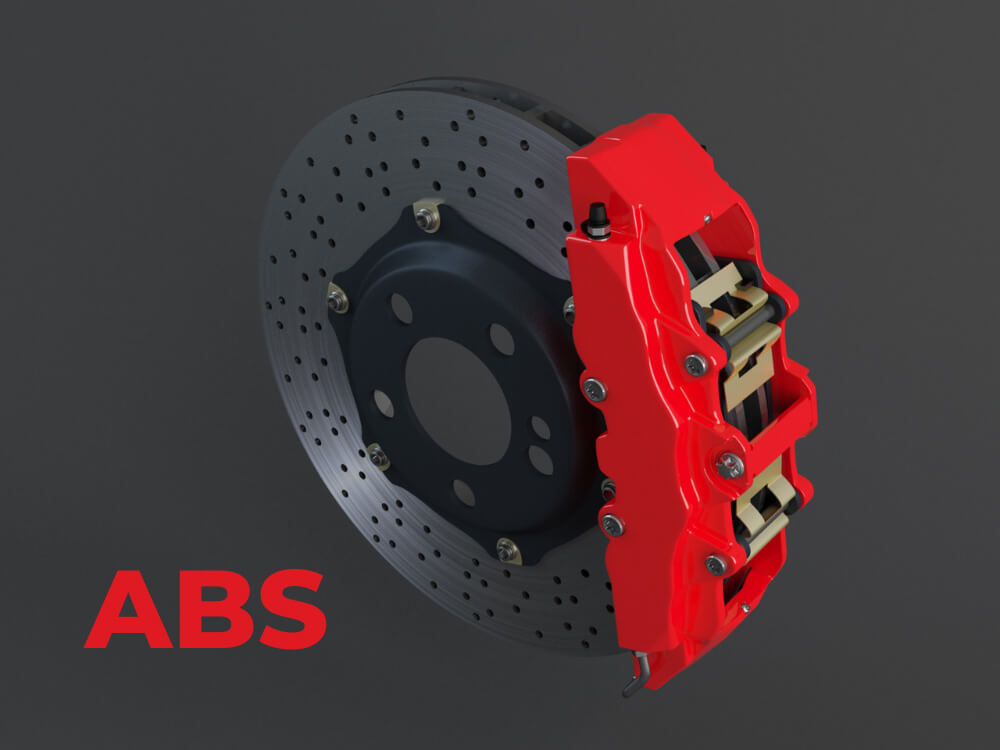
An Anti-lock Braking System (ABS) is a critical safety feature designed to prevent a vehicle’s wheels from locking during hard or emergency braking. By maintaining traction between the tires and the road, ABS allows drivers to retain steering control while significantly reducing the risk of skidding. 

Today, ABS is standard equipment on virtually all modern passenger and commercial vehicles. Whether navigating heavy traffic, wet roads, or unexpected hazards, the system helps drivers stop more safely and maintain greater control in challenging driving conditions.

For fleet managers, the benefits extend beyond driver safety. ABS helps reduce the likelihood of collisions, minimise vehicle downtime, lower maintenance costs caused by skidding or flat-spotted tires, and improve overall fleet safety. When combined with GPS telematics and driver behaviour monitoring, fleets can also identify harsh braking events, coach drivers, and proactively reduce accident risk. 

In this guide, we’ll explain how ABS works, why it’s an essential safety feature, how it has evolved over time, and how fleet managers can use telematics data to build safer, more efficient operations.

The Evolution of the ABS

Although early anti-lock braking concepts date back to the early 20th century, modern ABS systems did not become commercially available until the 1970s. As electronic control units (ECUs), wheel speed sensors, and hydraulic braking technology advanced, ABS became faster, more accurate, and significantly more reliable.

Today, ABS is a standard safety feature on virtually all new passenger and commercial vehicles. Modern systems work alongside technologies such as Electronic Stability Control (ESC), Traction Control Systems (TCS), and Automatic Emergency Braking (AEB) to improve vehicle stability, reduce collision risk, and help drivers maintain control during emergency braking situations.

For commercial fleets, these advancements provide more than improved braking performance. Modern ABS systems, when integrated with GPS telematics and driver behaviour monitoring, allow fleet managers to identify harsh braking events, coach safer driving habits, and proactively reduce accident risk.

How Does the ABS Work?

An Anti-lock Braking System uses a combination of wheel speed sensors, hydraulic valves, an electronic control unit (ECU), and a hydraulic pump to prevent the wheels from locking during sudden or hard braking. These components work together to continuously monitor wheel speed and adjust brake pressure whenever the system detects that a wheel is about to lose traction.

During emergency braking, the ABS rapidly increases and decreases brake pressure several times per second. Instead of allowing the wheels to lock and slide across the road, the system maintains traction by keeping them rotating. This enables the driver to continue steering while bringing the vehicle to a controlled stop.

Maintaining wheel rotation is the key advantage of ABS. When wheels lock, they lose traction with the road surface, making it difficult, or even impossible, for the driver to steer around obstacles. By preventing wheel lock-up, ABS helps drivers maintain control of the vehicle, particularly on wet, icy, or uneven road surfaces where skidding is more likely.

For commercial fleets, this added level of control can help reduce collision risk, improve driver safety, and minimise costly vehicle downtime. When combined with GPS telematics, fleet managers can also monitor harsh braking events, identify unsafe driving patterns, and provide targeted coaching to improve overall fleet performance.

ABS Maintenance and Troubleshooting

Like any vehicle safety system, an Anti-lock Braking System (ABS) requires regular maintenance to ensure it continues to operate reliably. While ABS components are designed to be durable, issues such as worn sensors, contaminated brake fluid, damaged wiring, or hydraulic faults can reduce the system’s effectiveness.

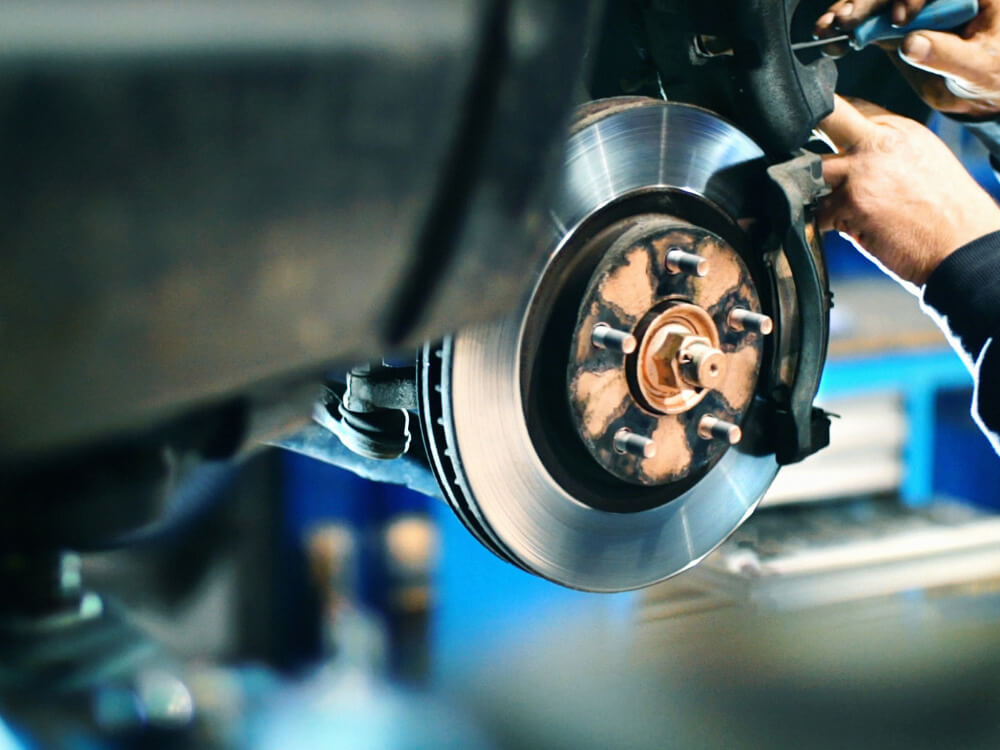
Routine vehicle maintenance plays an important role in keeping the ABS functioning properly. Regular brake inspections, replacing brake fluid according to the manufacturer’s recommendations, and ensuring wheel speed sensors remain clean and undamaged can help prevent unexpected system failures.

If the ABS warning light appears on the dashboard, the system has detected a fault that should be inspected as soon as possible. Drivers may also notice issues such as unusual noises while braking, inconsistent brake pedal feel, or reduced braking performance. Although the vehicle’s standard braking system will often continue to function, the additional safety benefits provided by ABS may no longer be available.

For commercial fleets, regular inspections and preventative maintenance help reduce vehicle downtime, improve driver safety, and ensure vehicles remain compliant with maintenance schedules. Diagnostic tools can quickly identify ABS fault codes, allowing maintenance teams to resolve issues before they develop into more costly repair.

Safety Benefits of ABS

Anti-lock Braking Systems provide significant safety advantages over conventional braking systems, particularly during emergency braking situations. By preventing wheel lock-up, ABS helps drivers maintain steering control while reducing the risk of skidding, allowing them to avoid obstacles and remain in control of the vehicle.

Although stopping distances vary depending on road conditions, ABS is designed to improve braking performance on most paved surfaces while increasing vehicle stability. These benefits become especially important for commercial fleets, where maintaining vehicle control can help reduce accidents, minimise repair costs, and improve driver safety.

Modern ABS also works alongside other advanced safety technologies, including Electronic Stability Control (ESC) and Automatic Emergency Braking (AEB), providing an additional layer of protection in challenging driving conditions.

Turn Braking Data into Safer Driving

ABS plays a critical role in keeping drivers safe, but preventing accidents starts with understanding how your vehicles are being driven.

Ready to improve fleet safety? Schedule a demo to see how PosiTrace helps fleet managers monitor harsh braking, improve driver behaviour, and reduce accident risk.

Frequently Asked Questions (FAQ’s)

What is ABS, and how does it work?

ABS stands for Anti-lock Braking System. It is a safety system designed to prevent wheel lock-up and skidding during sudden or hard braking. ABS works by detecting the rotation speed of each wheel and adjusting the braking pressure to prevent the wheels from locking up.

How can I tell if my ABS system is working?

The easiest way to tell if your ABS system is working is to check the ABS warning light on the dashboard. When you start the vehicle, the light should illuminate and then turn off after a few seconds. If the light stays on or comes on while driving, it indicates a problem with the ABS system. You can also test the ABS system by performing an emergency brake test on a safe and clear road.

What should I do if my ABS warning light comes on?

If the ABS warning light comes on, it indicates a problem with the ABS system. You should have the system checked by a professional mechanic as soon as possible. Until the issue is resolved, the ABS system may not function correctly, and you may have a higher risk of skidding and losing control during sudden or hard braking.

Do all vehicles have ABS?

No, not all vehicles have ABS. It was initially introduced in the late 1970s, and it became standard on most vehicles by the early 2000s. However, some older or budget vehicles may not have ABS, while some high-end vehicles may have advanced ABS systems with additional features.

Contact Us


Driver BehaviourProtection

Related Articles


Insights & Analytics  ·  Safety & Compliance
Driver Monitoring Systems & AI Dash Cams: A Fleet Safety Guide
Safety & Compliance
Fleet Management and Electronic Logging Devices
Safety & Compliance
Explore the Advantages of the C6 Lite Fleet Dashcam for Effective Fleet Management
Truck Fleet Management: Improve Efficiency & Reduce Costs
Previous Article
Real-Time Temperature Monitoring for Fleet & Cargo Safety
Next Article